
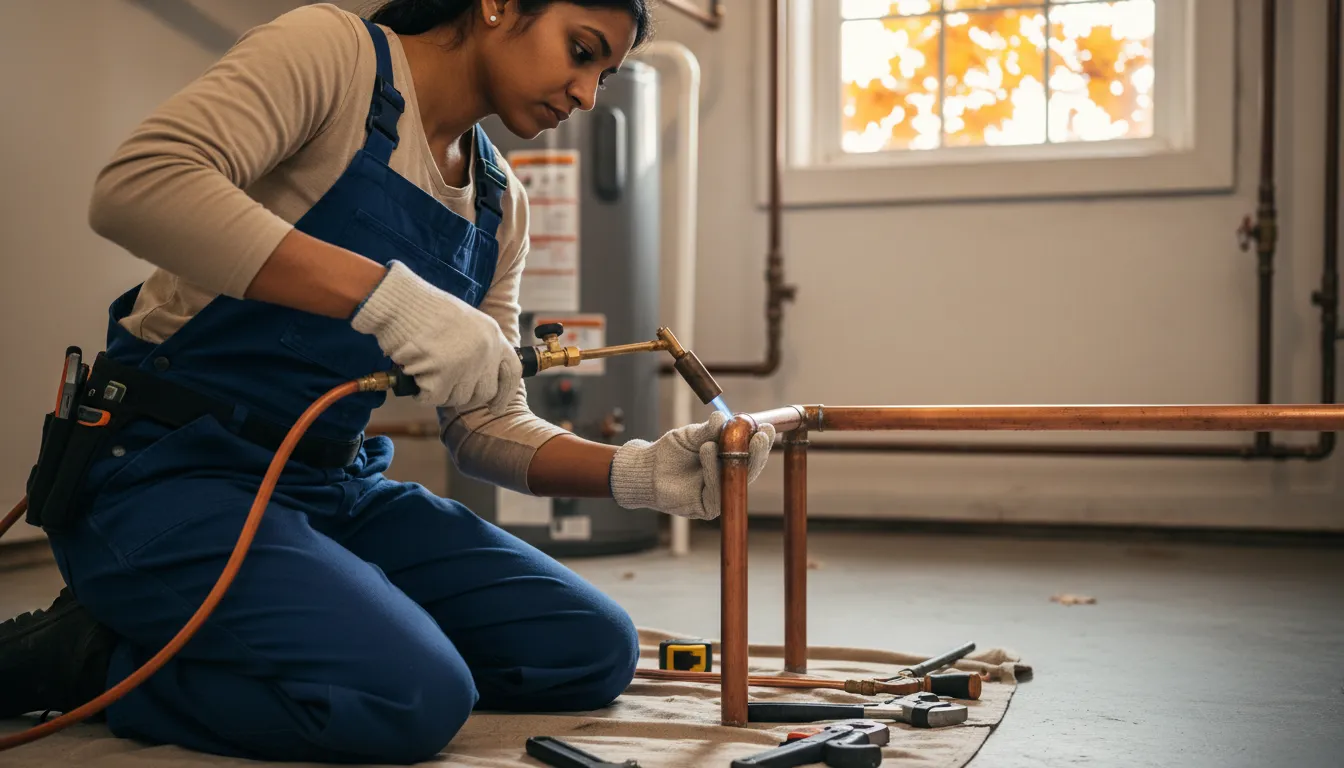
Replacing Aging Supply Lines Without Disrupting Your Whole Household
We plan repiping projects in stages where possible, matching material choice to your home's structure and your daily water needs.
Free estimates · Same-day service available · No obligation
Why Toronto's Older Housing Stock Is a Common Repiping Candidate
Much of the housing built across Toronto and the inner suburbs before the 1970s was originally plumbed in galvanized steel, a material with a predictable, well-documented failure pattern.
Galvanized steel's internal narrowing
Galvanized supply lines corrode from the inside through a process called tuberculation, gradually reducing water pressure and flow even before a visible leak develops.
Lead service line concerns in pre-1950s construction
Some of the oldest Toronto properties may still have lead components in the water service, which is a separate consideration we flag during assessment rather than assume away.
Polybutylene in 1980s-90s builds
Certain homes built in that window used polybutylene piping, a material now understood to be prone to premature failure, which we identify during any repiping assessment of that era's housing.
Copper in stable mid-century builds
Many solidly built mid-century Toronto homes were plumbed in copper, which typically only needs targeted replacement at specific failure points rather than a full system replacement.
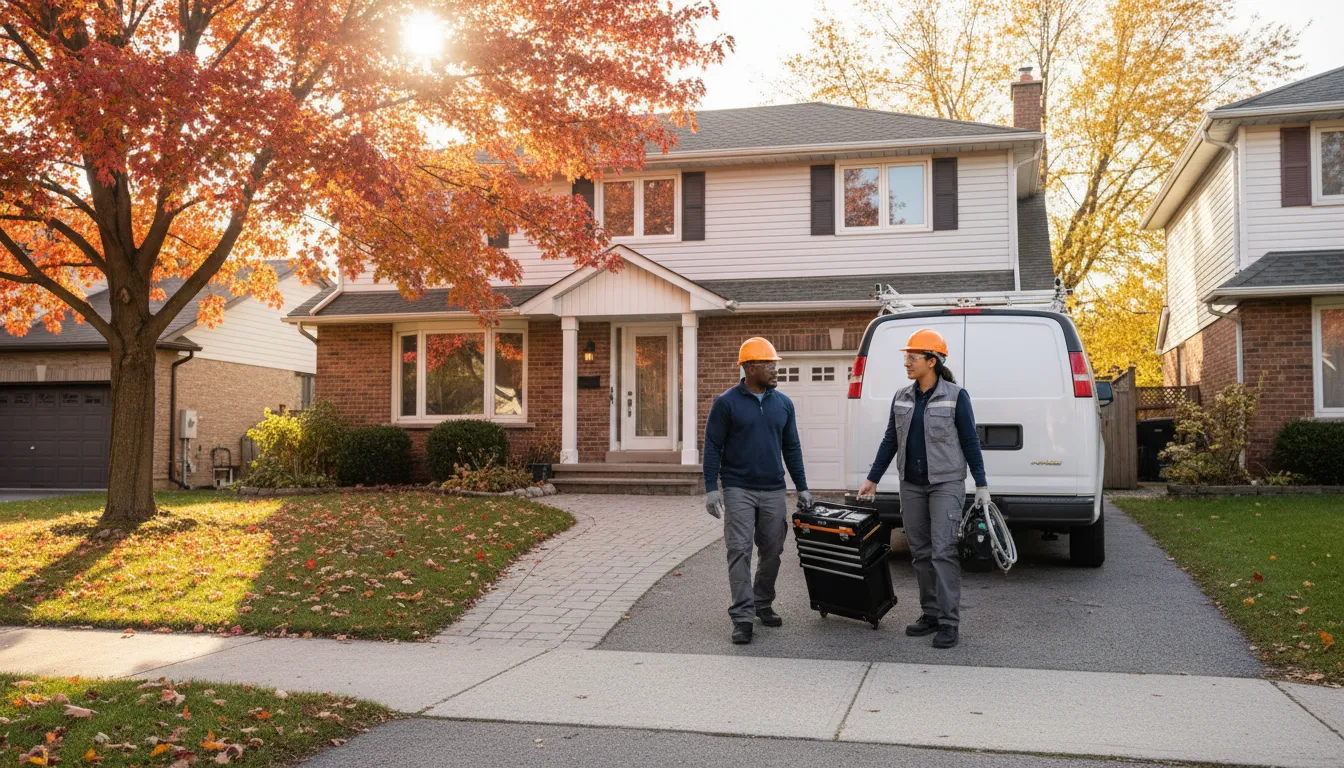
Full-House Repiping Doesn't Have to Mean Full-House Disruption
A common misconception is that repiping requires opening every wall in a home simultaneously, displacing a household for weeks. In practice, unplanned or poorly sequenced repiping projects do cause exactly that kind of disruption, along with unnecessary drywall damage when the approach isn't mapped out zone by zone in advance.
We Plan Repiping in Logical Zones
We assess the full system first, then sequence the work by zone, wherever your home's layout allows, so that water service is restored to completed areas while work continues elsewhere. Material selection accounts for your household's peak demand, whether that's multiple bathrooms in simultaneous use or a single-occupant property with modest needs.
Our Repiping Process
A staged approach designed to reduce disruption while replacing aging or failure-prone supply lines.
- 1
System assessment
We inspect existing supply line material, age, and condition throughout the property.
- 2
Zone-based planning
Where the layout allows, we sequence work by zone to keep some water service active during the project.
- 3
Material specification
We select pipe material based on your household's water demand and the applicable code requirements.
- 4
Staged replacement
Lines are replaced zone by zone, with pressure testing after each completed section.
- 5
Final system verification
Once complete, we test the full system for pressure consistency and confirm no leaks at any joint.
Why Our Repiping Approach Reduces Disruption
A repiping project done thoughtfully protects both your plumbing system and your daily routine.
Licensed & Insured
All repiping work performed by licensed technicians under full liability coverage.
Zone-Based Sequencing
We plan work to keep partial water service active wherever the home's layout allows.
Code-Referenced Materials
Pipe material is chosen against Ontario Building Code standards, not habit.
Demand-Matched Sizing
We size new lines to your household's actual peak water use.
Post-Zone Testing
Each completed zone is pressure-tested before we move to the next.
Efficient Material Options
Where suitable, we discuss materials that support long-term water efficiency.
Repiping Questions
How do I know if my home needs repiping?
Signs include persistently low water pressure, discoloured water, frequent pinhole leaks, or a plumbing system known to be galvanized steel or polybutylene. We can assess your specific property and advise.
Does repiping require opening every wall at once?
Not necessarily. Where a home's layout allows, we sequence the work by zone so parts of the house retain water service while other sections are underway.
What pipe material do you typically recommend?
It depends on your home's structure and water demand. We discuss options such as copper or PEX and explain the tradeoffs relevant to your specific property.
Is polybutylene piping actually a concern?
Yes, in homes built during the period it was commonly used. It's known to be prone to premature failure, and we flag it during assessment if we find it in your system.
How long does a typical repiping project take?
It depends heavily on the size of the home and whether the project is full or partial. We provide a project timeline as part of the written scope after assessment.
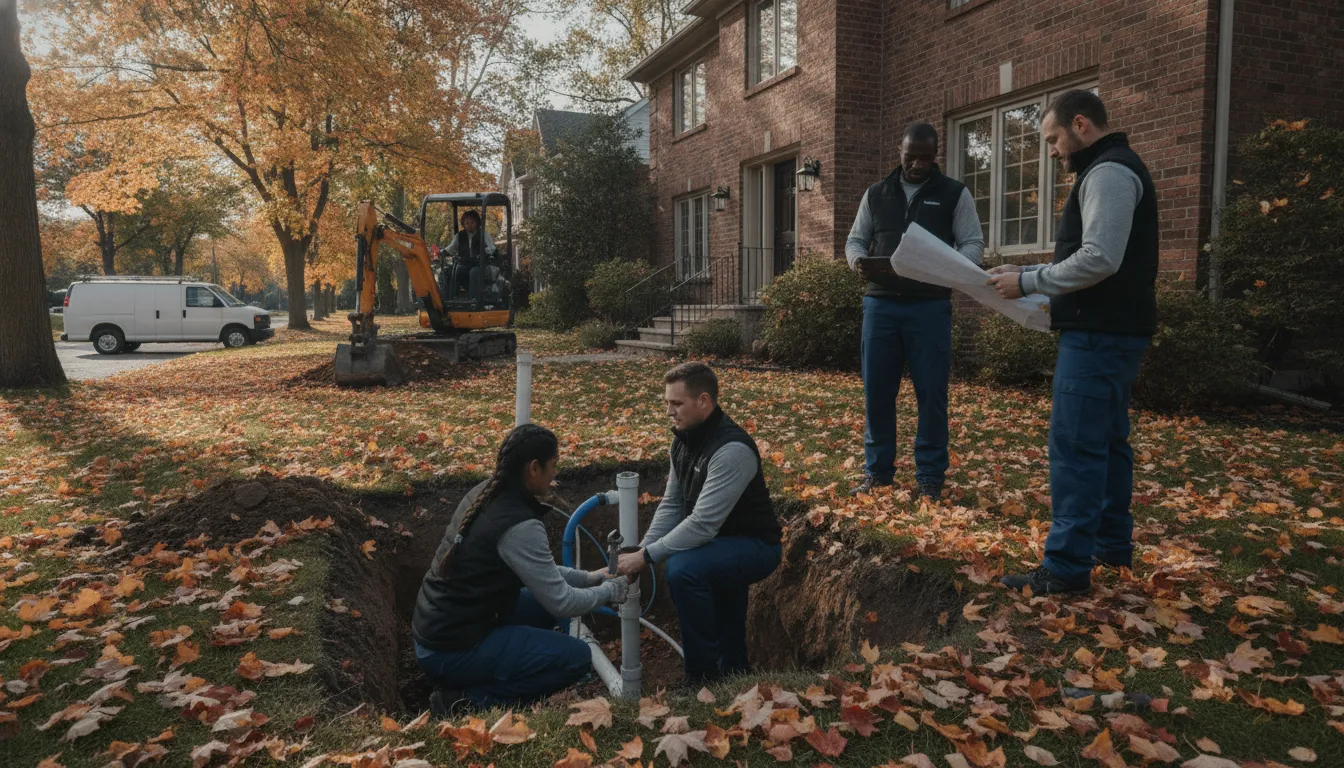
Considering Repiping? Start With an Assessment
Email us your home's age and any symptoms you've noticed, and we'll advise on next steps.
Email Us for a Free EstimateLocal conditions matter — email us for same-day service.
Fall home-service conditions in Toronto, ON
Fall around Toronto, ON is the season to prepare your home before winter sets in.
Proudly Serving Toronto, ON
Local, on-time service throughout Toronto and the surrounding area.